Netherlands Working Hours: A Complete Guide
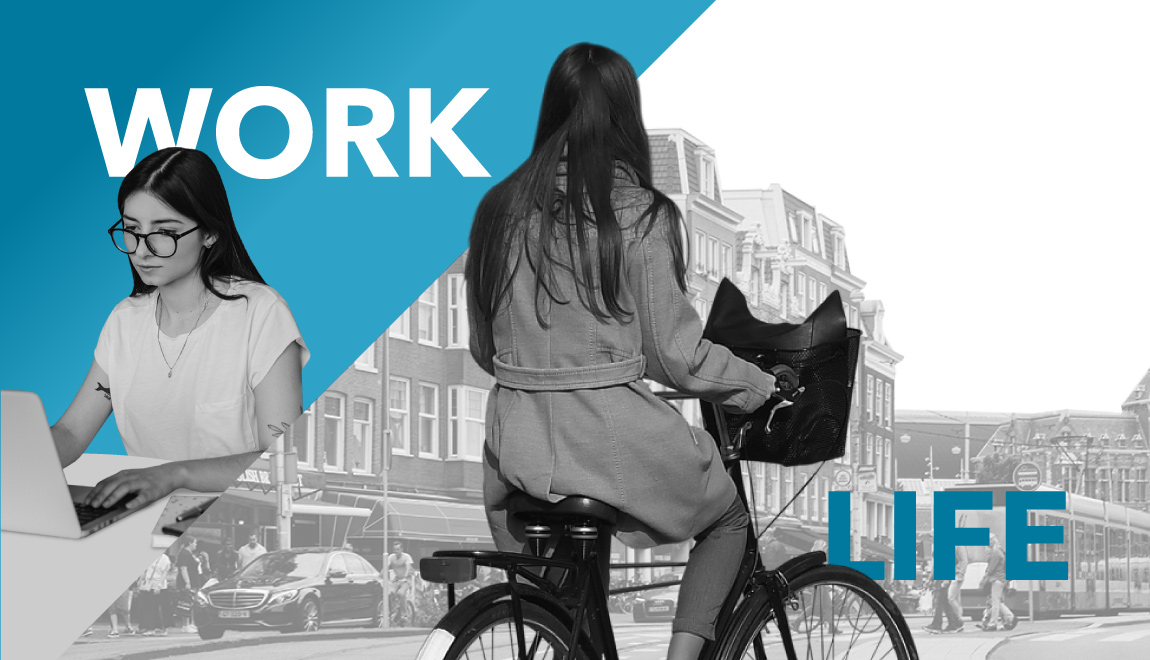
The Netherlands is widely known for its excellent work-life balance, flexible working culture, and employee-friendly labor laws. Compared to many other countries, working hours in the Netherlands are structured to promote productivity while also ensuring that workers have enough time for personal life, family, and rest. Understanding how working hours are regulated and practiced in the Netherlands is essential for anyone planning to work or build a career there.
This article provides a comprehensive overview of working hours in the Netherlands, including standard schedules, overtime rules, part-time work, and employee rights.
Standard Working Hours in the Netherlands
In the Netherlands, the standard full-time working week typically ranges between 36 and 40 hours, depending on the industry and employer. Most employees work 8 hours per day, usually from Monday to Friday.
A common schedule looks like this:
- Start time: around 08:00–09:00
- End time: around 16:30–17:30
However, flexibility is a key feature of the Dutch work culture. Many companies allow employees to adjust their working hours to suit their personal needs, especially in office-based jobs.
Legal Limits on Working Hours
Dutch labor law sets clear limits to ensure employee health and safety. These rules are designed to prevent overwork and maintain a healthy balance.
Key legal limits include:
- Maximum of 12 hours per shift (occasionally)
- Maximum of 60 hours per week (short-term), but
- Average of 48 hours per week over 16 weeks
- Minimum of 11 consecutive hours of rest per day
- At least 36 consecutive hours of rest per week
These regulations ensure that employees are not overburdened and have sufficient time to recover.
Part-Time Work Culture
One of the most unique aspects of the Netherlands is its strong part-time work culture. A significant percentage of the workforce—especially in sectors like healthcare, education, and retail—works part-time.
Part-time jobs can range from:
- 12 to 32 hours per week
- Flexible schedules depending on the employer
Part-time employees enjoy the same legal rights as full-time workers, including paid leave and job protection, on a proportional basis.
Overtime Rules
Overtime in the Netherlands is not always mandatory and is often regulated by collective labor agreements (CAOs) or individual contracts.
Key points about overtime:
- Overtime pay varies by employer and sector
- Some companies offer extra pay (e.g., 125%–150% of regular wage)
- Others provide time off in lieu instead of additional pay
Employees are generally not expected to work excessive overtime, as maintaining work-life balance is a priority.
Flexible Working Arrangements
The Netherlands is one of the leading countries in promoting flexible working. Employees have the legal right to request changes to their working hours, schedules, or workplace.
Common flexible options include:
- Remote work (working from home)
- Flexible start and end times
- Compressed workweeks
- Job sharing
Since the COVID-19 pandemic, remote and hybrid work models have become even more common across many industries.
Breaks During Work
Dutch law also regulates break times to ensure employee well-being.
Break rules include:
- At least 30 minutes break for shifts longer than 5.5 hours
- Break can be split into two 15-minute periods
- For shifts longer than 10 hours, at least 45 minutes of breaks
Breaks are usually unpaid unless specified otherwise in the employment contract.
Night Shifts and Weekend Work
Some industries, such as healthcare, hospitality, and logistics, require employees to work nights or weekends.
Special rules apply:
- Night shifts are strictly regulated to protect health
- Employees working nights receive additional compensation in many cases
- Weekend work is common but may come with extra pay or time off
Employers must ensure that employees working irregular hours still receive adequate rest.
Paid Leave and Holidays
Working hours are closely connected to vacation time and public holidays.
Employees in the Netherlands are entitled to:
- A minimum of 4 times their weekly working hours in annual leave
(e.g., 40-hour workweek = 160 hours of leave per year) - Public holidays such as New Year’s Day, King’s Day, and Christmas
Many employers offer additional vacation days beyond the legal minimum.
Work-Life Balance in the Netherlands
The Dutch are known for prioritizing quality of life. Unlike in some countries where long hours are seen as a sign of dedication, in the Netherlands efficiency and balance are more valued.
Key characteristics include:
- Employees rarely work excessive overtime
- Evenings and weekends are usually reserved for personal life
- Family time and leisure activities are highly valued
This approach contributes to high levels of job satisfaction and overall well-being.
Comparison with Other Countries
Compared to many other nations, working hours in the Netherlands are relatively moderate.
- Shorter average workweeks than in countries like the United States
- More flexible schedules than in many Asian countries
- Stronger legal protections for employees
This makes the Netherlands an attractive destination for workers seeking a healthier work-life balance.
Conclusion
Working hours in the Netherlands are designed to support both productivity and personal well-being. With standard workweeks of 36–40 hours, strong legal protections, and a culture that values flexibility, the Dutch system offers an ideal balance between work and life.
Whether you are considering a full-time career or a part-time role, understanding these working hour regulations will help you adapt more easily to the Dutch work environment. For many people, the Netherlands represents not just a place to work, but a place to live well.