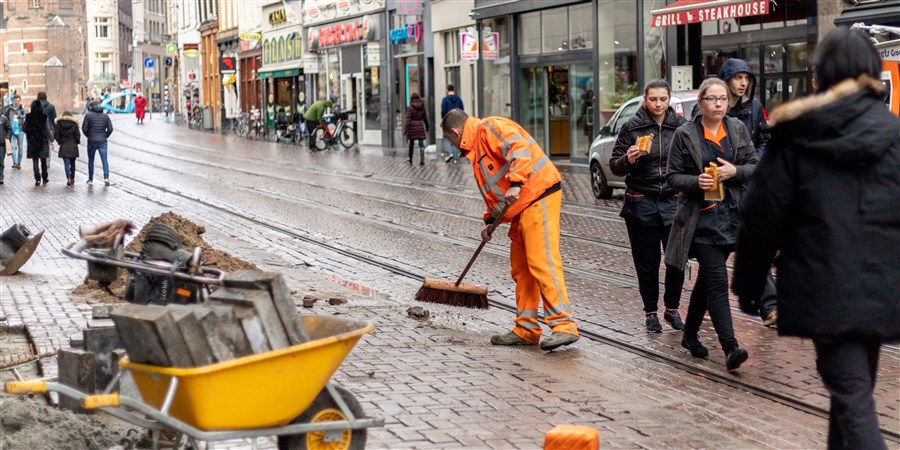
More Than Half of Dutch People Work Full-Time
The Netherlands is widely known for its flexible working culture and high rate of part-time employment. However, contrary to common assumptions, more than half of Dutch people still work full-time. This reflects a balanced labor market where both full-time and part-time roles coexist, allowing individuals to choose work arrangements that best suit their lifestyles and responsibilities.
In this article, we explore the reality behind full-time employment in the Netherlands, why many people continue to work full-time, and how this trend fits into the broader Dutch work culture.
Understanding Full-Time Work in the Netherlands
In the Netherlands, full-time work typically ranges between 36 and 40 hours per week, depending on the sector and employer. A standard full-time schedule often consists of five working days, usually from Monday to Friday.
While part-time work is very common—especially among women and parents—full-time employment still represents a significant portion of the workforce. In fact, more than half of Dutch workers are engaged in full-time roles, particularly in industries that require consistent staffing and operational continuity.
Why Many Dutch People Work Full-Time
Despite the popularity of flexible work arrangements, there are several reasons why full-time employment remains dominant for a large portion of the population.
1. Financial Stability
Full-time jobs provide a higher and more stable income, which is essential for covering living expenses such as housing, healthcare, and education. In cities where the cost of living is higher, full-time work becomes even more important.
2. Career Development
Many full-time positions offer better opportunities for career advancement. Employees working full-time are often more involved in company operations, which can lead to promotions and professional growth.
3. Job Security and Benefits
Full-time workers typically receive comprehensive benefits, including:
- Paid vacation days
- Pension contributions
- Health insurance support
- Long-term contracts
These advantages make full-time roles attractive for those seeking stability.
4. Industry Requirements
Certain sectors rely heavily on full-time workers due to the nature of the job. These include:
- Healthcare
- Engineering
- Logistics
- Manufacturing
- Technology
In these industries, continuous operations and high levels of responsibility often require full-time commitment.
The Balance Between Full-Time and Part-Time Work
What makes the Netherlands unique is not the dominance of full-time work, but the balance between full-time and part-time employment. Unlike many countries where full-time work is the default, the Dutch labor market offers genuine flexibility.
- Many employees start their careers in full-time roles and later switch to part-time
- Some combine multiple part-time jobs to achieve a full-time income
- Others adjust their working hours based on life stages, such as parenthood or education
This flexibility allows individuals to move between full-time and part-time work throughout their lives.
Gender Differences in Working Hours
One notable aspect of the Dutch workforce is the difference in working patterns between men and women.
- Men are more likely to work full-time
- Women are more likely to work part-time, especially after having children
However, this trend is gradually changing. More women are entering full-time roles, while more men are choosing flexible or reduced working hours to participate in family life.
The Role of Work Culture
Dutch work culture places a strong emphasis on efficiency rather than long hours. Even among full-time workers, there is a clear boundary between work and personal life.
Key characteristics include:
- Limited overtime
- Respect for personal time
- Flexible scheduling options
- Focus on productivity over hours worked
This means that working full-time in the Netherlands does not necessarily mean working excessively long hours.
Impact on the Economy
The combination of full-time and part-time workers contributes to a strong and adaptable economy. Full-time employees provide stability and continuity, while part-time workers add flexibility and help meet fluctuating demand.
This balanced workforce:
- Supports economic growth
- Reduces unemployment rates
- Increases overall job satisfaction
It also allows businesses to operate efficiently while accommodating the needs of employees.
Challenges of Full-Time Work
While full-time employment offers many benefits, it also comes with challenges:
- Less personal time compared to part-time roles
- Potential for work-related stress
- Difficulty balancing work and family responsibilities
However, the Dutch system helps address these challenges through flexible policies and strong labor protections.
The Future of Full-Time Work in the Netherlands
As the workforce continues to evolve, full-time work is expected to remain important, but it may become more flexible in structure.
Future trends may include:
- Hybrid full-time roles with remote work options
- Shorter full-time workweeks (e.g., 36 hours instead of 40)
- Greater focus on results rather than hours
This evolution reflects a broader shift toward a more adaptable and employee-centered labor market.
Conclusion
Although the Netherlands is famous for its part-time work culture, more than half of Dutch people still work full-time. This highlights the country’s balanced approach to employment, where individuals have the freedom to choose what works best for them.
Full-time jobs continue to play a vital role in providing financial stability, career growth, and economic strength. At the same time, the flexibility of the Dutch system ensures that workers can maintain a healthy work-life balance.
In the end, the Dutch labor market stands out not because of one dominant model, but because of its ability to offer diverse and flexible working options for everyone.