The Netherlands: History, Culture & Cuisine
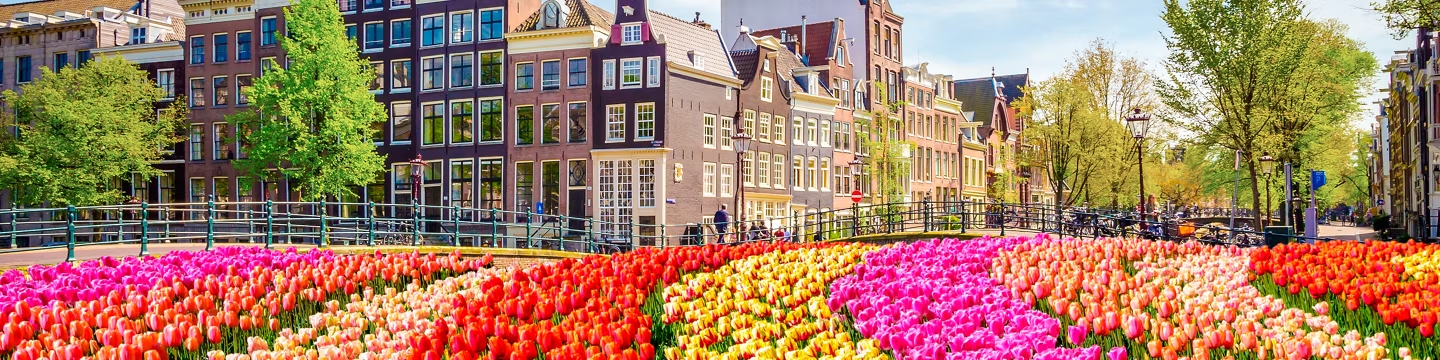
The Netherlands, often referred to as Holland, is a small yet highly influential country in Western Europe. Known for its picturesque canals, windmills, tulip fields, and progressive society, the Netherlands has built a strong identity shaped by centuries of history, a rich cultural heritage, and a distinctive culinary tradition. This article explores the fascinating journey of the Netherlands through its history, culture, and cuisine.
A Brief History of the Netherlands
The history of the Netherlands dates back to ancient times when Germanic and Celtic tribes inhabited the region. During the Roman era, the southern part of the country became part of the Roman Empire, leaving behind traces of infrastructure and cultural influence.
In the Middle Ages, the region developed into a collection of provinces under feudal rule. By the 16th century, the Netherlands came under Spanish control, which led to growing tensions due to religious and political differences. This eventually sparked the Eighty Years’ War (1568–1648), a significant struggle for independence.
The war ended with the recognition of the Dutch Republic, marking the beginning of the Dutch Golden Age in the 17th century. During this period, the Netherlands became a global economic powerhouse, dominating trade, science, and the arts. Famous painters like Rembrandt van Rijn and Johannes Vermeer flourished during this time.
In later centuries, the country experienced political changes, including occupation by France under Napoleon Bonaparte and eventually the establishment of a constitutional monarchy. Today, the Netherlands is a modern democratic nation and a founding member of organizations such as the European Union.
Dutch Culture: Tradition Meets Modernity
Dutch culture is a unique blend of tradition and innovation. The Netherlands is known for its open-minded society, strong values of equality, and emphasis on individual freedom. It is often seen as one of the most progressive countries in the world.
Art and Architecture
The Netherlands has made significant contributions to global art and architecture. Museums such as the Rijksmuseum and Van Gogh Museum attract millions of visitors each year. The legacy of artists like Vincent van Gogh continues to inspire art lovers worldwide.
Architecturally, the country is famous for its canal houses, especially in Amsterdam, where narrow buildings line the waterways. Modern Dutch architecture is also highly innovative, combining sustainability with creative design.
Festivals and Traditions
Dutch traditions are deeply rooted in community and celebration. One of the most famous events is King’s Day (Koningsdag), celebrated every April 27th. On this day, the entire country turns orange to honor the royal family, and streets are filled with markets, music, and festivities.
Another beloved tradition is Sinterklaas, celebrated in early December. It is similar to Christmas but has its own unique customs, including the arrival of Sinterklaas by boat and the exchange of gifts.
Lifestyle and Values
The Dutch are known for their direct communication style and practical approach to life. Cycling is a major part of daily life, with more bicycles than people in the country. Sustainability and environmental awareness are also central to Dutch culture.
Additionally, the Netherlands is recognized for its high quality of life, excellent healthcare system, and strong work-life balance.
Dutch Cuisine: Simple Yet Delicious
Dutch cuisine may not be as globally famous as French or Italian food, but it offers a variety of comforting and flavorful dishes that reflect the country’s agricultural roots and maritime history.
Traditional Dishes
One of the most iconic Dutch dishes is Stroopwafel, a sweet treat made of two thin waffles filled with caramel syrup. It is often enjoyed with coffee or tea.
Another popular dish is Bitterballen, a deep-fried snack filled with a savory meat ragout. It is commonly served with mustard and enjoyed as a bar snack.
Haring is a traditional seafood delicacy, typically eaten with onions and pickles. It reflects the Netherlands’ long connection to the sea and fishing industry.
Hearty Meals
Dutch meals are often simple but filling. Stamppot is a classic comfort food made by mashing potatoes with vegetables such as kale, carrots, or sauerkraut, usually served with sausage.
Another traditional dish is Erwtensoep, a thick and hearty soup made from split peas, vegetables, and pork. It is especially popular during the cold winter months.
Cheese and Dairy
The Netherlands is world-famous for its cheese production. Varieties such as Gouda and Edam are exported worldwide. Dutch cheese markets, like those in Alkmaar and Gouda, are popular tourist attractions.
Conclusion
The Netherlands is a country where history, culture, and cuisine come together to create a unique and vibrant identity. From its struggle for independence during the Eighty Years’ War to its artistic achievements during the Dutch Golden Age, the nation has played a significant role in shaping European history.
Its culture reflects a balance between tradition and modern values, while its cuisine offers simple yet satisfying flavors that tell the story of its people and landscape.
Whether you are exploring its historic cities, enjoying its festivals, or tasting its delicious food, the Netherlands offers an unforgettable experience that continues to attract visitors and students from around the world.