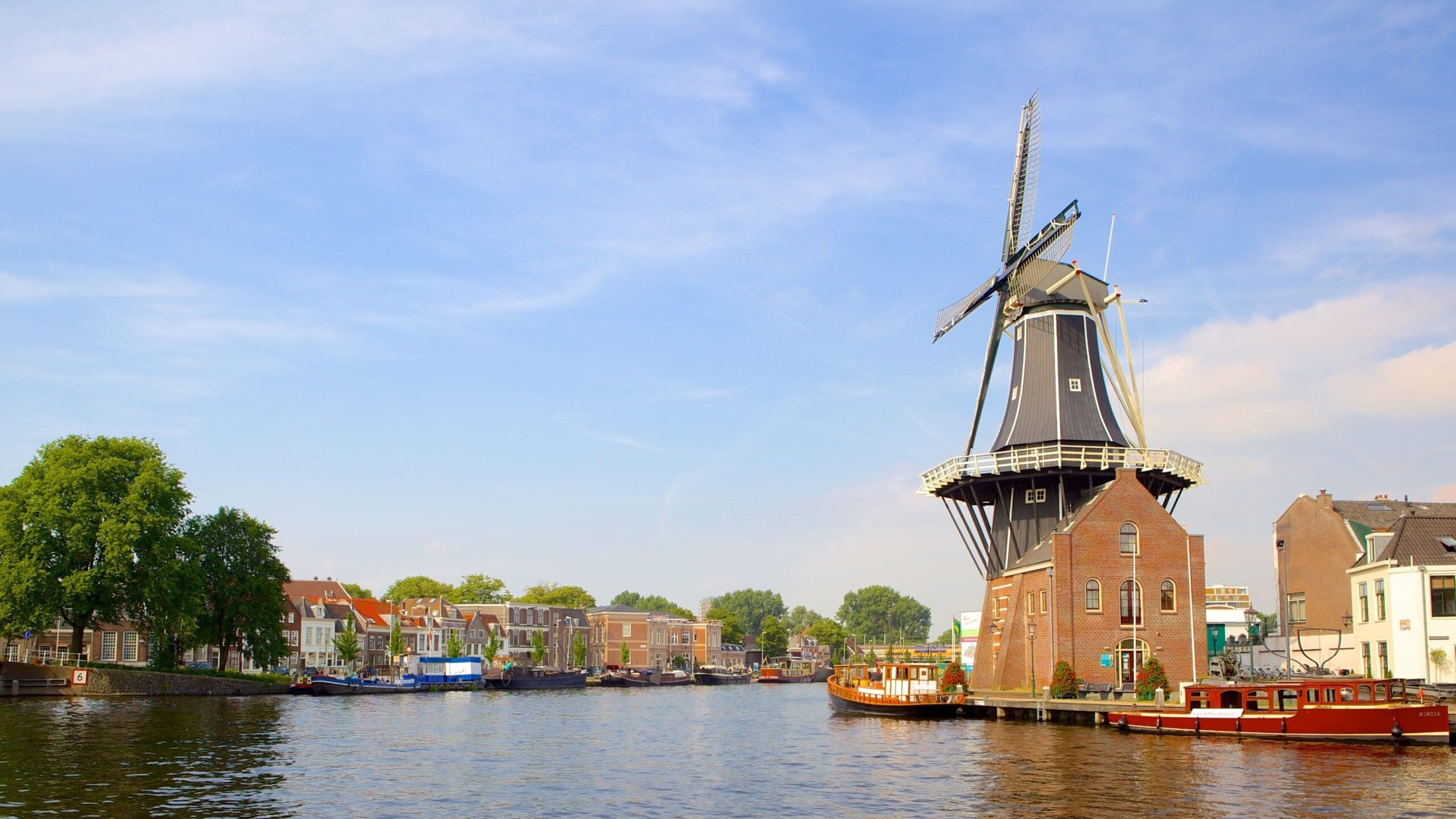
How to Get a Job in the Netherlands
The Netherlands is one of the most attractive countries in Europe for job seekers. Known for its strong economy, high quality of life, and international work environment, it offers many opportunities for both skilled and entry-level workers. However, getting a job in the Netherlands requires preparation, understanding of the job market, and the right approach. This guide will walk you through the essential steps to successfully find a job in the Netherlands.
1. Understand the Dutch Job Market
Before applying for jobs, it is important to understand the structure of the Dutch job market. The Netherlands has a strong demand in sectors such as:
- Technology and IT
- Engineering
- Healthcare
- Logistics and warehousing
- Hospitality and tourism
- Agriculture and food production
If you are a skilled worker, especially in IT or engineering, your chances are higher. However, there are also many opportunities for non-skilled workers, particularly in warehouses, cleaning services, and restaurants.
2. Prepare a Professional CV and Cover Letter
In the Netherlands, a well-structured CV (Curriculum Vitae) is very important. Dutch employers prefer clear, concise, and professional documents.
Tips for your CV:
- Keep it 1–2 pages long
- Use a simple and clean layout
- Include personal details, work experience, education, and skills
- Add language skills (this is very important)
- Mention any international experience
Cover Letter:
Your cover letter should explain:
- Why you want the job
- Why you are suitable
- What you can contribute to the company
Make sure both documents are written in English or Dutch, depending on the job requirement.
3. Search for Job Opportunities
There are many ways to find jobs in the Netherlands. Some of the most effective methods include:
Online Job Portals
- Indeed
- Glassdoor
- Nationale Vacaturebank
Recruitment Agencies
Many companies hire through agencies, especially for temporary or entry-level jobs. Examples include:
- Randstad
- Adecco
- Manpower
Company Websites
If you have a specific company in mind, visit their career page and apply directly.
Networking
Networking is very important in the Netherlands. Connect with professionals on LinkedIn and join online communities.
4. Check Work Permit and Visa Requirements
If you are not a citizen of the European Union (EU), you will need a work permit to work in the Netherlands.
Common Types of Permits:
- Highly Skilled Migrant Visa
- General Work Permit (TWV)
- EU Blue Card
Usually, your employer will help arrange the permit. However, you must ensure that you meet the requirements before applying.
5. Learn Basic Dutch (Optional but Helpful)
Although many Dutch people speak English, learning basic Dutch can give you an advantage, especially for jobs in:
- Customer service
- Retail
- Hospitality
Even a basic understanding shows your willingness to adapt and integrate into the culture.
6. Prepare for Interviews
If your application is successful, you will be invited for an interview. Interviews in the Netherlands are usually direct and professional.
Common Interview Tips:
- Be punctual
- Be honest and confident
- Prepare answers about your experience
- Research the company beforehand
Some companies may conduct interviews online, especially for international applicants.
7. Understand Employment Contracts
Before accepting a job, make sure you understand the contract. There are different types of employment in the Netherlands:
- Temporary contract (fixed-term)
- Permanent contract
- Part-time or full-time
Check details such as:
- Salary
- Working hours
- Holidays
- Benefits
The Netherlands has strong labor laws, so employees are well protected.
8. Salary and Cost of Living
Salaries in the Netherlands are generally good, but the cost of living can be high, especially in cities like Amsterdam.
Average Salaries:
- Entry-level jobs: €1,800 – €2,500/month
- Skilled jobs: €3,000 – €5,000/month
Make sure your salary is enough to cover:
- Rent
- Food
- Transportation
- Health insurance (mandatory in the Netherlands)
9. Accommodation and Registration
Once you get a job, you will need to find a place to live and register with the local municipality.
Important Steps:
- Find housing (shared or private)
- Register at the city hall
- Get a BSN (citizen service number)
- Open a bank account
Without a BSN, you cannot legally work or receive a salary.
10. Stay Persistent and Flexible
Finding a job in a foreign country can take time. Rejection is normal, so do not give up.
Tips to Stay Motivated:
- Apply to multiple jobs daily
- Improve your CV continuously
- Learn new skills
- Be open to starting with entry-level jobs
Many people start with basic jobs and later move to better positions once they gain experience in the Netherlands.
Conclusion
Getting a job in the Netherlands is achievable with the right preparation and mindset. By understanding the job market, preparing strong application documents, and being persistent, you can increase your chances of success. Whether you are looking for a professional career or an entry-level job, the Netherlands offers many opportunities for those willing to work hard and adapt to a new environment.