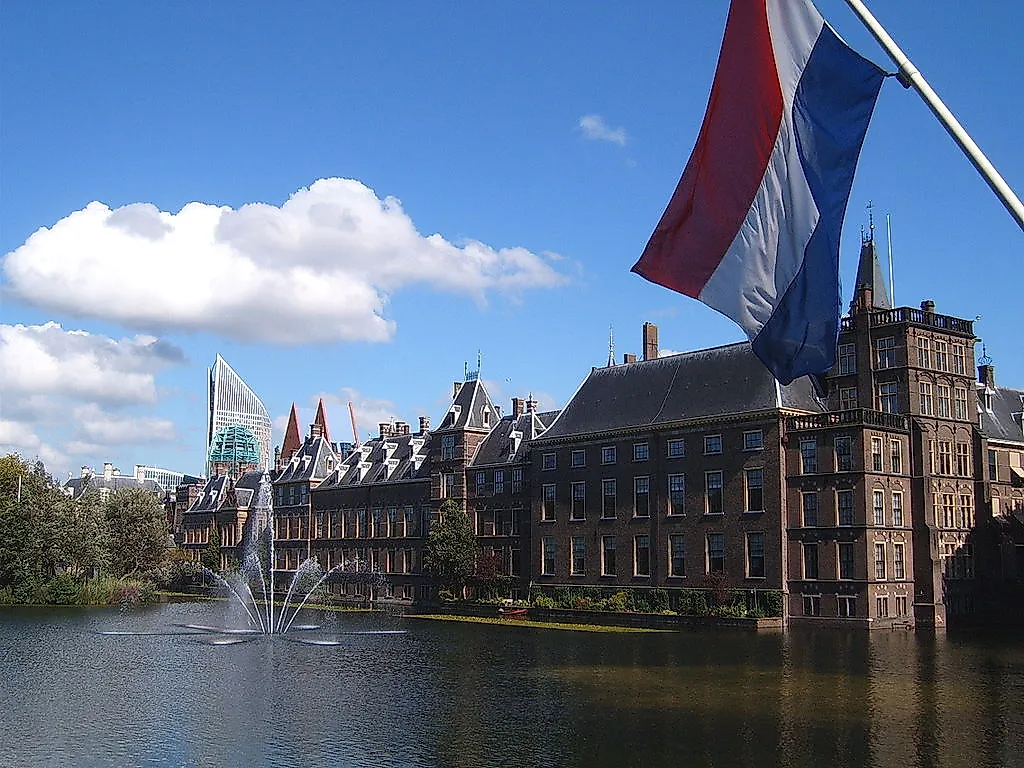
Cost of Living in the Netherlands for International Students
The Netherlands has become one of the most popular destinations for international students in Europe. Every year, thousands of students from Asia, Africa, the Middle East, and other parts of the world choose Dutch universities because of their high academic standards, multicultural environment, and strong career opportunities. Cities such as Amsterdam, Rotterdam, Utrecht, Eindhoven, and Groningen are well known for their excellent universities and student-friendly atmosphere.
However, before moving to the Netherlands, one of the most important things every student should understand is the cost of living. Although the Netherlands offers a high quality of life, living expenses can be quite expensive compared to some other countries. Proper financial planning is essential for international students who want to study and live comfortably.
This article explains the average cost of living in the Netherlands for international students, including accommodation, food, transportation, health insurance, entertainment, and practical tips for saving money.
Why International Students Choose the Netherlands
The Netherlands is famous for its modern education system and international study programs. Many universities offer courses entirely in English, making it easier for foreign students to adapt. Dutch society is also open-minded and welcoming to people from different cultures.
Another reason students choose the Netherlands is its central location in Europe. Students can easily travel to nearby countries such as Belgium, Germany, France, and even the United Kingdom. The country is also known for its excellent public transportation system, cycling culture, and safe environment.
Despite these advantages, students must prepare for living costs that can range from moderate to high depending on the city and lifestyle.
Average Monthly Cost of Living
On average, international students in the Netherlands spend between €900 and €1,800 per month. The amount depends on the city, type of accommodation, and personal spending habits.
Here is a rough estimate of monthly expenses:
| Expense Category | Average Monthly Cost |
|---|---|
| Accommodation | €400 – €1,000 |
| Food and Groceries | €150 – €300 |
| Transportation | €40 – €120 |
| Health Insurance | €100 – €150 |
| Internet and Phone | €20 – €50 |
| Study Materials | €30 – €80 |
| Entertainment and Personal Expenses | €100 – €300 |
Students living in major cities such as Amsterdam or Utrecht usually spend more than students living in smaller cities like Enschede or Groningen.
Accommodation Costs
Accommodation is usually the biggest expense for students in the Netherlands. Finding affordable housing can be challenging, especially in large cities where demand is very high.
Student Dormitories
Some universities cooperate with housing agencies to provide student dormitories. These rooms are usually the most affordable option for international students.
The monthly cost for a student room ranges from €350 to €700 depending on the city and room size. Shared kitchens and bathrooms are common in student housing.
Shared Apartments
Many students choose to share apartments with friends or other international students. This option is popular because it reduces living expenses and creates a social environment.
Rent for a shared apartment room usually costs between €450 and €800 per month.
Private Apartments
Students who prefer privacy may rent a studio or private apartment. However, this option is much more expensive.
In Amsterdam, a small studio apartment can cost more than €1,200 per month. In smaller cities, prices may be lower but are still considered expensive for students.
Tips for Finding Housing
- Start searching for accommodation early.
- Use trusted housing websites.
- Beware of scams and fake advertisements.
- Consider living outside the city center.
- Share accommodation with roommates to reduce costs.
Food and Grocery Expenses
Food expenses in the Netherlands are manageable if students cook at home regularly. Eating at restaurants every day can quickly become expensive.
Grocery Shopping
Students usually spend between €150 and €300 per month on groceries.
Popular supermarkets in the Netherlands include:
- Albert Heijn
- Lidl
- Aldi
- Jumbo
- Dirk
Discount supermarkets such as Lidl and Aldi are cheaper compared to premium supermarkets.
Eating Out
Eating in restaurants in the Netherlands is relatively expensive.
Average prices:
- Fast food meal: €8 – €12
- Casual restaurant meal: €15 – €25
- Coffee at a café: €3 – €5
- Pizza delivery: €10 – €18
Many students save money by cooking meals at home and bringing lunch to campus.
Transportation Costs
The Netherlands has one of the best transportation systems in Europe. Trains, buses, trams, and metro services are modern and reliable.
Cycling Culture
One of the most affordable ways to travel is by bicycle. The Netherlands is famous for being bicycle-friendly.
Many students buy second-hand bicycles for around €100 to €300. Cycling helps students save transportation costs while staying healthy.
Public Transportation
Students who use public transportation regularly usually spend around €40 to €120 per month.
An OV-chipkaart is commonly used for public transportation payments.
Train travel between cities can be expensive, but discounts are available for students and off-peak travel.
Health Insurance
Health insurance is mandatory in the Netherlands.
International students are usually required to have health insurance coverage during their stay. The cost ranges from €100 to €150 per month.
Some students may qualify for Dutch public health insurance depending on their work status.
It is important to compare insurance providers and choose a suitable package.
Tuition Fees and Additional Academic Costs
Besides living expenses, international students must also prepare for tuition fees.
EU and EEA Students
Students from EU or EEA countries usually pay lower tuition fees, around €2,500 per year.
Non-EU International Students
Students from outside Europe generally pay between €6,000 and €20,000 per year depending on the university and program.
Programs such as medicine, engineering, and business may have higher tuition fees.
Study Materials
Books and academic materials can cost around €30 to €80 per month.
Many students save money by:
- Buying second-hand books
- Borrowing books from libraries
- Using digital materials
- Sharing resources with classmates
Entertainment and Social Life
Student life in the Netherlands is not only about studying. Many international students enjoy cultural activities, festivals, cafés, and nightlife.
Monthly entertainment costs vary depending on lifestyle.
Examples of entertainment expenses:
- Cinema ticket: €10 – €15
- Gym membership: €20 – €50
- Nightclub entry: €10 – €20
- Museum ticket: €10 – €25
Students can reduce costs by using student discounts available in many places.
Cheapest Cities for International Students
Living costs differ significantly between Dutch cities.
Amsterdam
Amsterdam is the most expensive city in the Netherlands. Rent prices are extremely high, and daily expenses are generally above average.
Rotterdam
Rotterdam is slightly more affordable than Amsterdam and offers a modern urban lifestyle.
Utrecht
Utrecht is popular among students but housing demand is also high.
Groningen
Groningen is considered one of the best student cities because living costs are more affordable and the atmosphere is student-friendly.
Enschede
Enschede is a smaller city with lower housing costs and a quieter environment.
Students who want to save money often choose smaller cities instead of Amsterdam.
Part-Time Jobs for International Students
Many international students work part-time to help cover living expenses.
Common student jobs include:
- Restaurant staff
- Café worker
- Supermarket employee
- Delivery rider
- Warehouse worker
- Hotel cleaner
- Tutor
Average Student Salary
The average hourly wage for student jobs ranges from €10 to €15 per hour depending on age and experience.
Work Regulations
EU students can usually work without restrictions.
Non-EU students may face work-hour limitations and often need work permits arranged by employers.
Students should check Dutch immigration rules before accepting a job.
Tips to Save Money in the Netherlands
Living in the Netherlands can be expensive, but students can reduce costs with smart financial habits.
Cook at Home
Cooking meals is much cheaper than eating out regularly.
Use Student Discounts
Many shops, cinemas, museums, and transportation services offer student discounts.
Buy Second-Hand Items
Second-hand bicycles, furniture, and books are widely available.
Avoid Expensive City Centers
Housing outside major city centers is usually cheaper.
Budget Carefully
Tracking monthly spending helps students avoid unnecessary expenses.
Share Costs
Living with roommates can reduce rent, utility bills, and internet costs.
Quality of Life in the Netherlands
Although living costs are relatively high, the Netherlands offers an excellent quality of life.
International students often appreciate:
- Safe cities
- Efficient transportation
- Clean environment
- Friendly international atmosphere
- High-quality education
- Strong work-life balance
Dutch people are generally direct, practical, and independent. Students may need some time to adapt to Dutch culture, but many eventually enjoy the open and relaxed lifestyle.
Challenges Faced by International Students
Despite its many advantages, living in the Netherlands can also present challenges.
Housing Shortage
One of the biggest problems is the shortage of student accommodation.
Weather
The weather is often cold, rainy, and windy, especially during autumn and winter.
Expensive Living Costs
Students from countries with lower average incomes may initially experience financial pressure.
Cultural Differences
Dutch communication style can sometimes feel very direct for people from more indirect cultures.
However, most international students adapt successfully over time.